
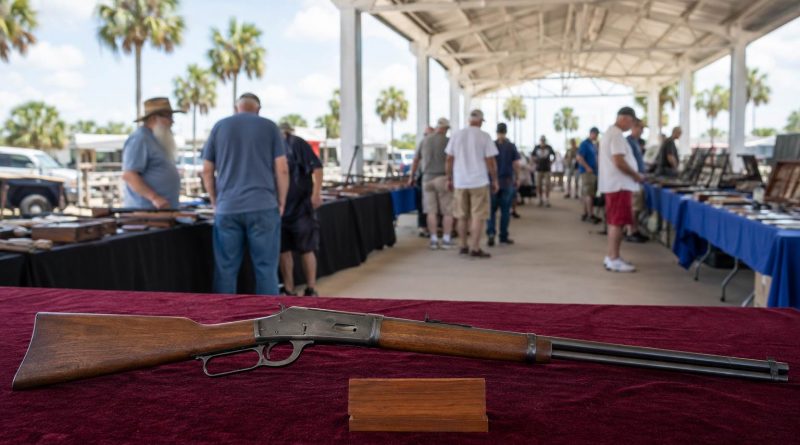
How to Get More Value From a Gun Show Without Making a Rushed Purchase
Before entering the hall, decide what would make you leave satisfied: finding a specific item, comparing options, or learning what is available. Jordan, a first-time shopper at a Florida event, has a modest budget and an old equipment list saved on a phone. The useful question is not whether a table offers a tempting deal, but whether the item fits the plan, passes a careful inspection, and can be transferred lawfully under current requirements. That framework makes a busy day more productive without turning browsing into an impulse purchase.
Set a purpose before the tables set it for you
Jordan's first mistake would be arriving with only a vague plan to "see what is out there." Crowded aisles, unfamiliar brands and limited-time language can quickly turn research into an unplanned purchase. Start with a short written objective: inspect one type of firearm, compare optics or accessories, or learn what a future purchase might cost.
Include a stopping point. If the goal is to buy, define the maximum all-in amount before leaving home. If the goal is research, decide that no purchase will be made unless an item meets the same criteria you would use elsewhere. This protects the budget and gives you permission to say, "I need to think about it."
Jordan might compare several examples of a familiar category, ask about fit and maintenance, and buy only if an item is in clearly acceptable condition and the complete cost remains within the preset limit. A show can be useful even when the right decision is no purchase.
Build a budget that includes the unglamorous parts
A gun show budget should cover more than the marked price. Leave room for applicable taxes, transaction-related costs, required accessories, secure transport or storage needs, and the possibility that a used item will need professional attention. Costs and requirements vary, so verify them before committing rather than assuming a seller's shorthand tells the whole story.
Cash, cards and payment policies may differ by table. A fixed spending limit can help, but payment method is not a substitute for a written budget. Jordan can apply three questions to each candidate:
– Does it meet the original purpose?
– Is the total cost still within the limit?
– Would I choose it after a cooling-off period?
If any answer is no, the item goes back on the table. Discounts, bundles and claims that another buyer is interested may create pressure, but they do not change the item's condition or the buyer's legal responsibilities.
Inspect the item methodically, not theatrically
Begin a firearm inspection with safety and seller permission. Follow the event's handling instructions, keep the muzzle in a safe direction, and do not operate controls or open an action unless the seller or event rules allow it. Treat every firearm as loaded until its condition has been verified through safe procedures. If you are not comfortable inspecting a feature, ask a qualified professional rather than guessing.
Jordan can look for obvious signs of neglect, damage, corrosion, peening, unusual wear or mismatched parts, while remembering that appearance alone does not establish safe function. Check whether markings, serial information and included parts are clear and consistent with the seller's description. For used equipment, ask about repairs, modifications, round-count estimates when available, storage conditions and whether a qualified gunsmith has examined it. Vague or changing answers are reasons to slow down, not bargain harder.
A short checklist works well at a crowded table:
– Confirm the exact model, configuration and included components.
– Compare the condition with the seller's description.
– Look for visible damage, corrosion, unsafe alterations or missing parts.
– Ask what testing, service history or return terms apply, if any.
– Record serial information only in a lawful, privacy-conscious manner and follow event instructions.
– Stop if anything feels unclear, pressured or unsafe.
A responsible inspection is not a substitute for professional evaluation. If the purchase matters enough to stretch the budget, it may matter enough to have the item examined before relying on it.
Make legality part of the buying decision
Lawful firearm transactions can involve federal, state and local requirements, which may change. The process can also differ by seller, the buyer's circumstances and the type of item. Do not rely on a casual conversation, an old online post or an assumption that every table follows the same procedure.
Before attending, review current guidance from official authorities and confirm the event's rules. At the venue, ask the seller who will handle any required paperwork or background-check process and what identification or other documentation is needed. A reputable seller should explain the process without encouraging shortcuts. If a proposed transaction sounds designed to avoid a required step, leave the table.
Venue rules may govern how firearms enter the building, whether personal firearms must be unloaded and secured, and what handling is permitted. Check current instructions before traveling because policies, security procedures and facility requirements can change. Compliance is part of the purchase cost in time and effort, not an optional add-on.
Use a deliberate exit when the answer is not clear
Near the end of the visit, Jordan reviews the phone notes rather than wandering back toward the most persuasive sales pitch. The strongest candidate still has an uncertain service history, and buying it would leave little room for related costs. The sensible choice is to take the model information, compare it with other options and return only if the questions can be answered.
That exit is not a missed opportunity. It is the practical result of comparing purpose, condition, total cost and lawful process. Florida gun shows can offer useful access to equipment and knowledgeable conversations, but a crowded event does not require a crowded decision. The best value may be a purchase made with confidence later-or the money kept until the right item and circumstances line up.